

SHILP, translated from Hindi stands for craft. The red thread connecting all the dots of the process from materializing the yarn, through print to the finishing of each piece. They all speak a story, where tradition, heritage, and craftsmanship meet the critical eye of today’s fashion. Through my latest project in India, working with people in villages of Gujarat, where you can find the most perfected and extraordinary wooden block printing workshops and where each different embroidery can tell you more about the person wearing it than a whole first conversation, I found out one thing most important above all about sustainability. It’s a topic we hear daily in the fashion world, but it’s still so vaguely defined.

What is sustainability? Mostly, we talk about the sourcing, that the material was grown in a sensible manner, that we pay workers a fair wage for their skills and that we put a correct price on the product at the end. But what we are not tapping into is that there are artists with extraordinary skills and a story to tell but don’t have the connection to today’s global consumer. For them, sustainability is a way to earn money for their livelihood, to be able to proceed with what their families perfected in decades and to innovate and stay relevant.
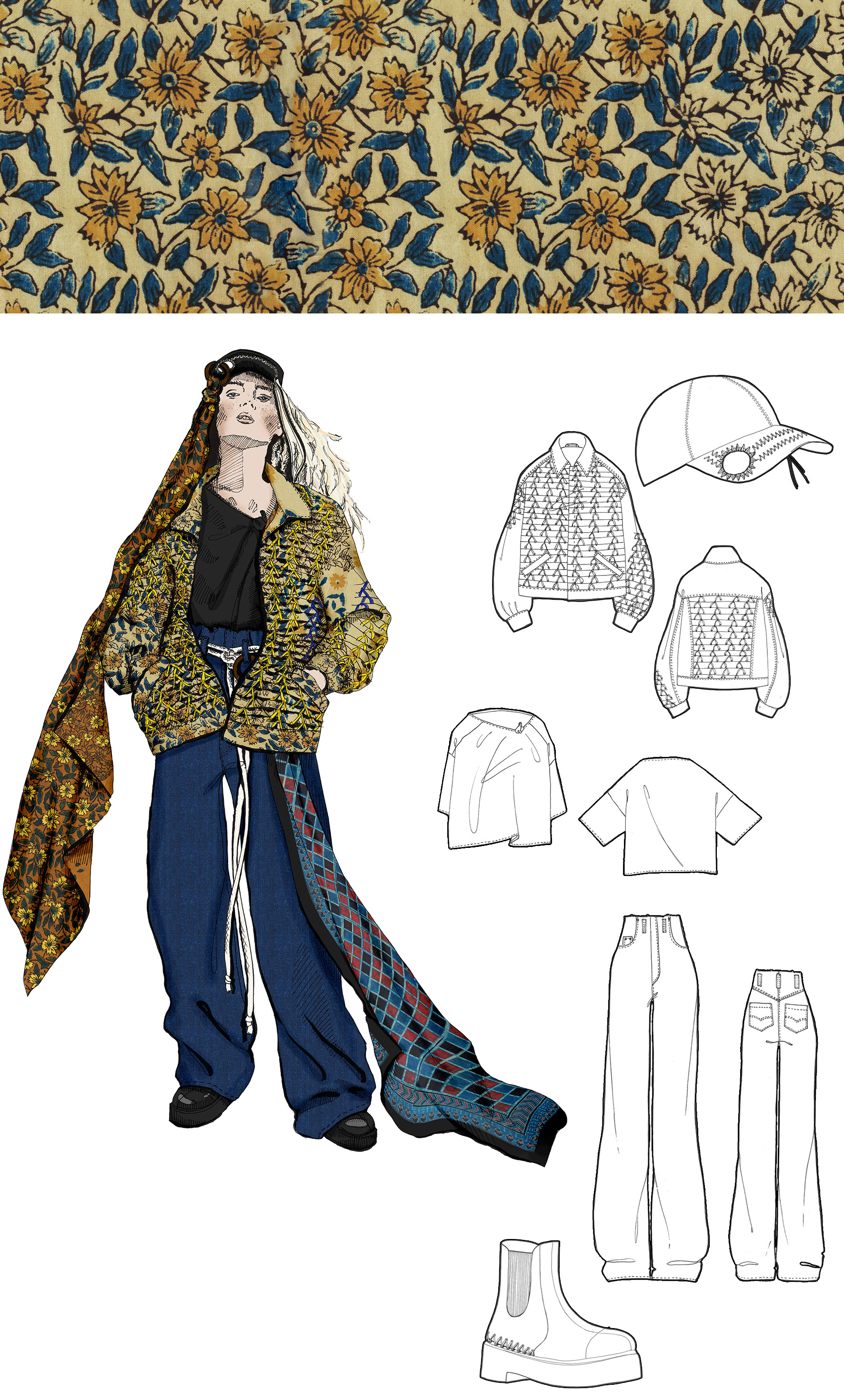


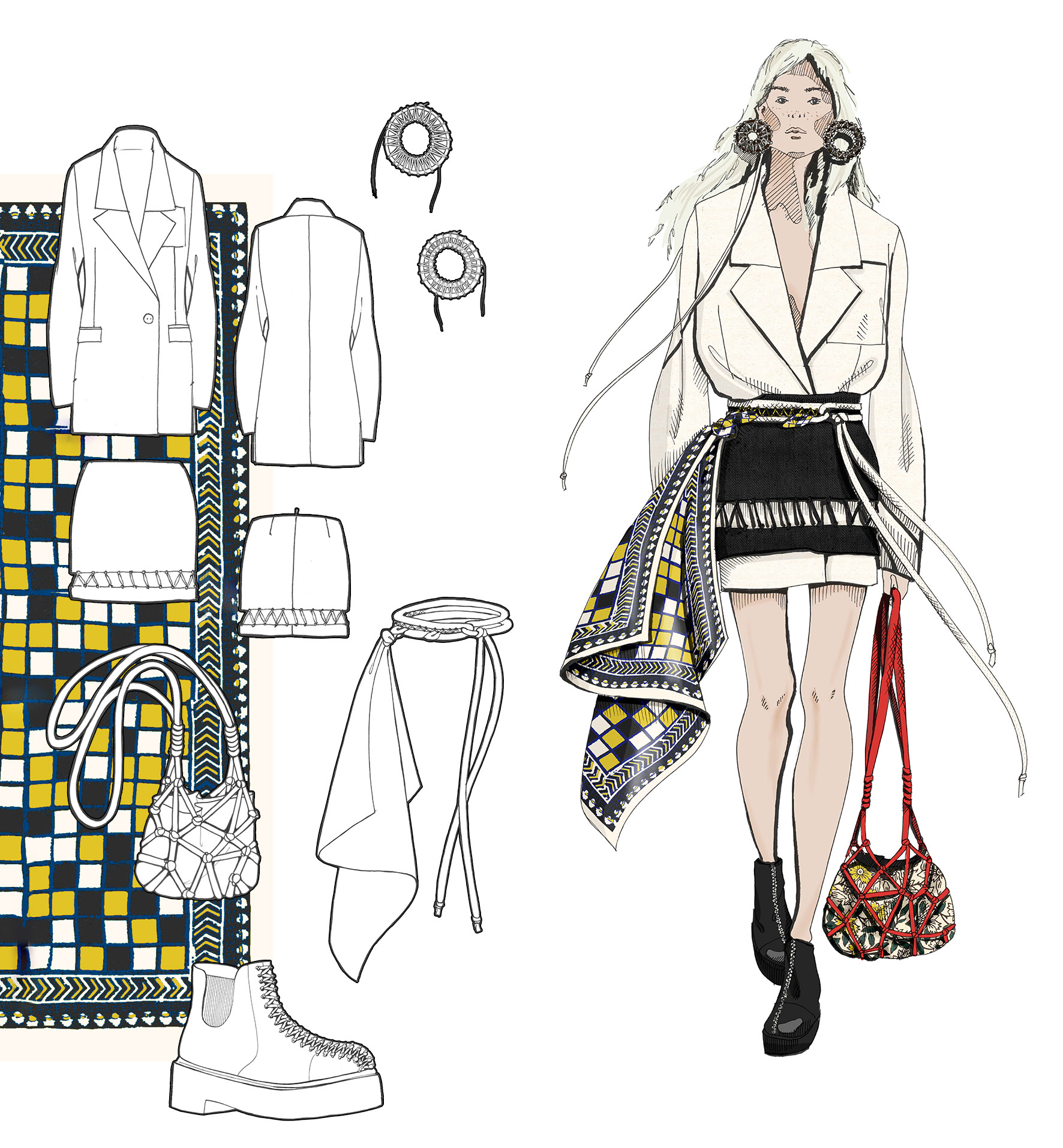


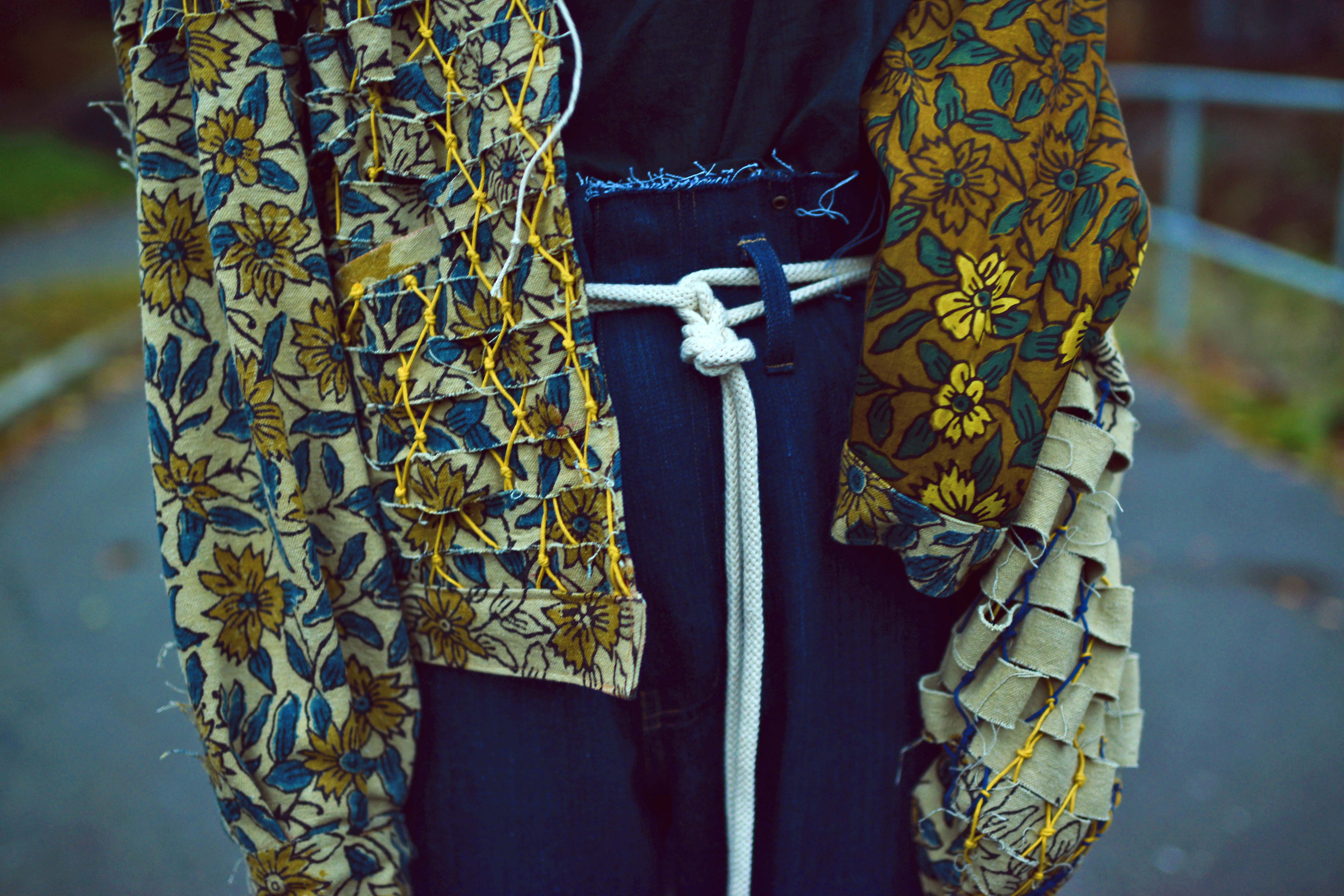
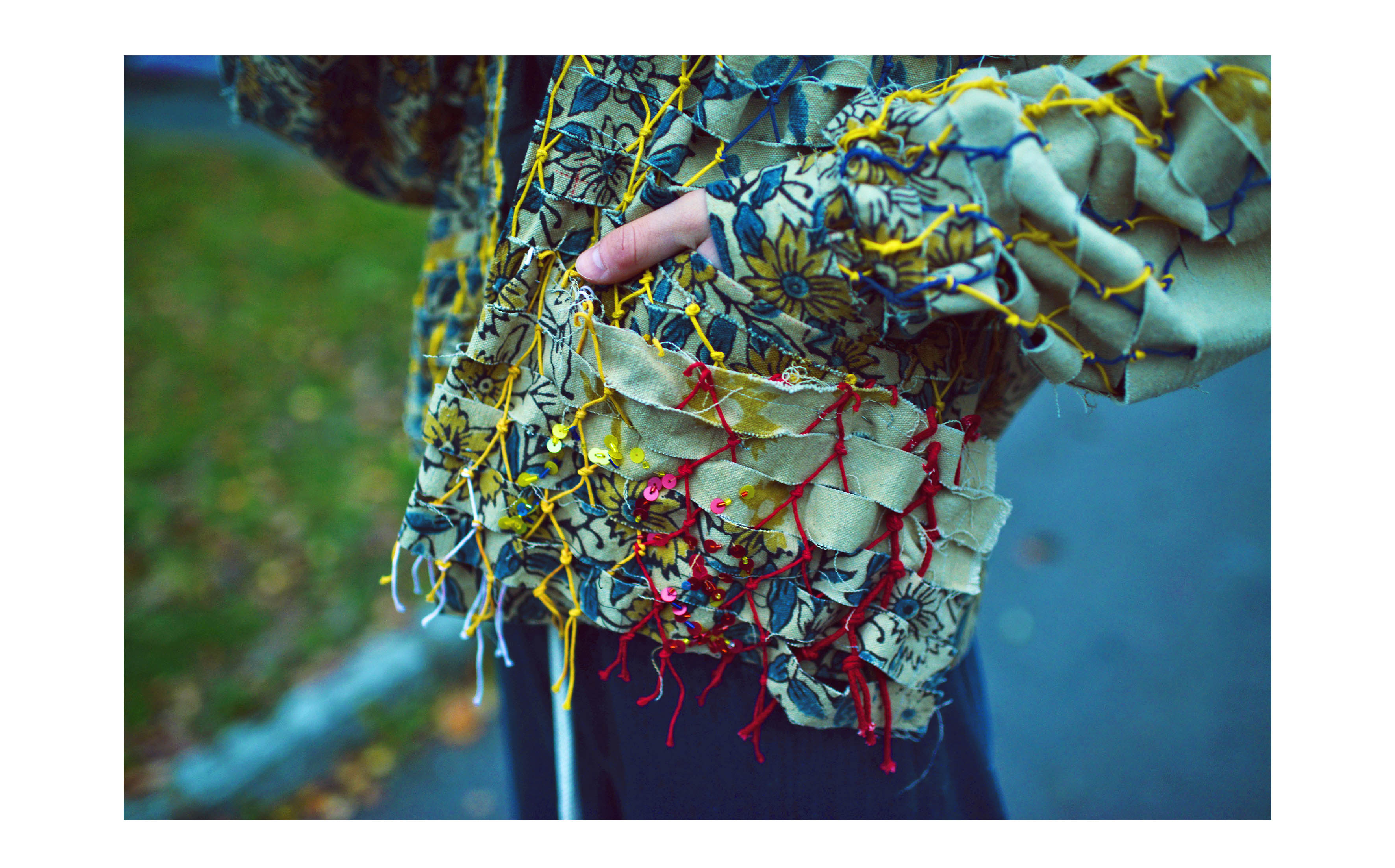
All the materials used in this collection come with their story to tell. Cotton, grown in India, is carefully collected by women of Kutch every morning. It is hand spun and hand loomed into exquisitely soft khadis, denim, and canvas, with all the imperfections that make them special. A range of hand block printed textiles is present in structured pieces, which are deconstructed, re-weaved, and embellished, or in simple square pieces where you can admire the intricate prints themselves. They all go through a difficult process of vegetable dyeing and printing and takes up to a week to prepare. People in a small village of Dhamadka, Gujarat in India, worked on these pieces, using their traditional wooden blocks in a different way, giving the prints space to breathe and show their intricacy in less traditional colors.

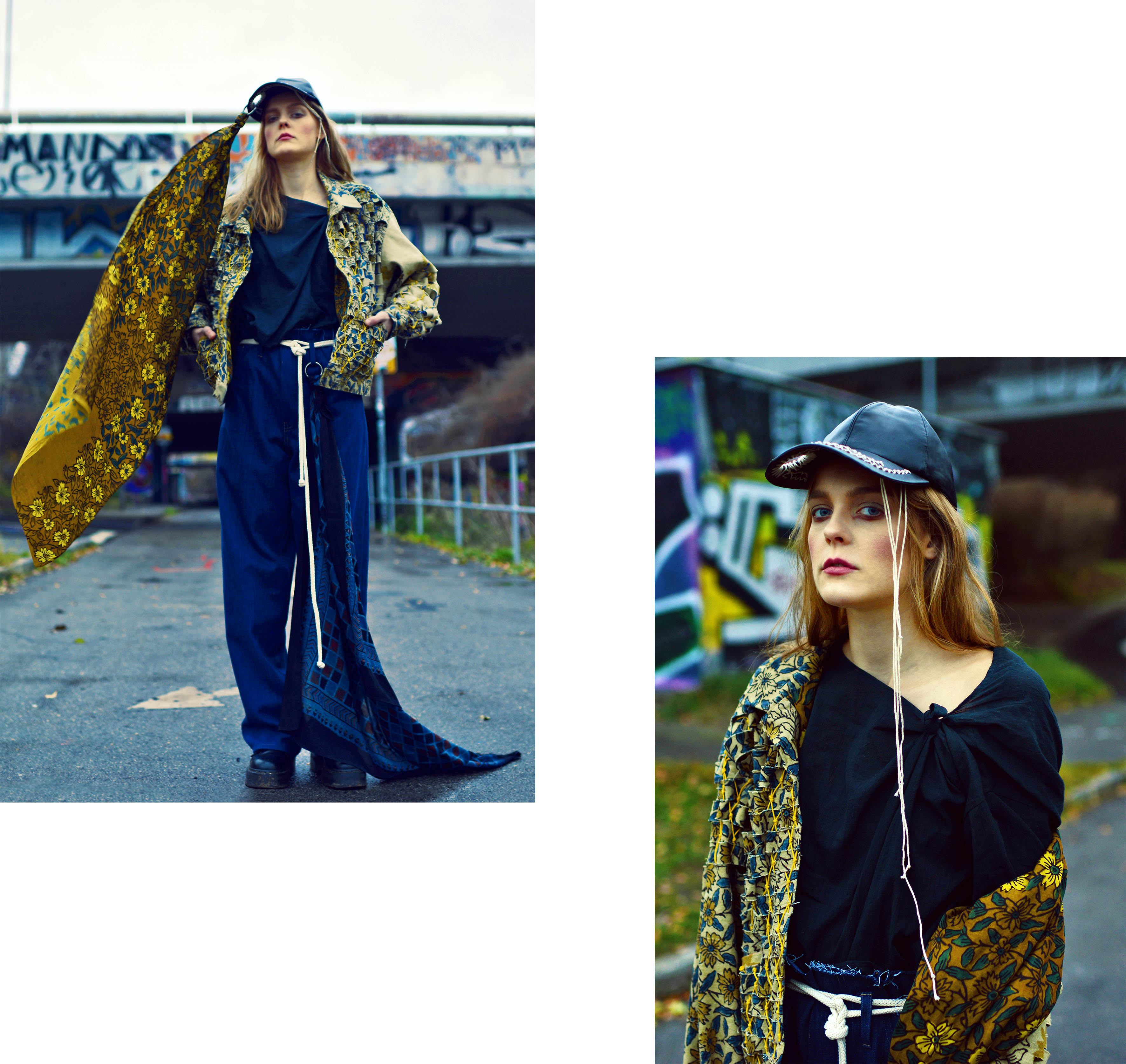



The leather has its own impressive story to tell. In Mumbai, the Dharavi slum is home to India second biggest leather producer, which works with the most luxurious brands of the world without being seen by the public. As of a few years ago, they decided to open their own brand shop with name Dharavi – based in the slum, only where you can buy their professionally tanned goatskins.
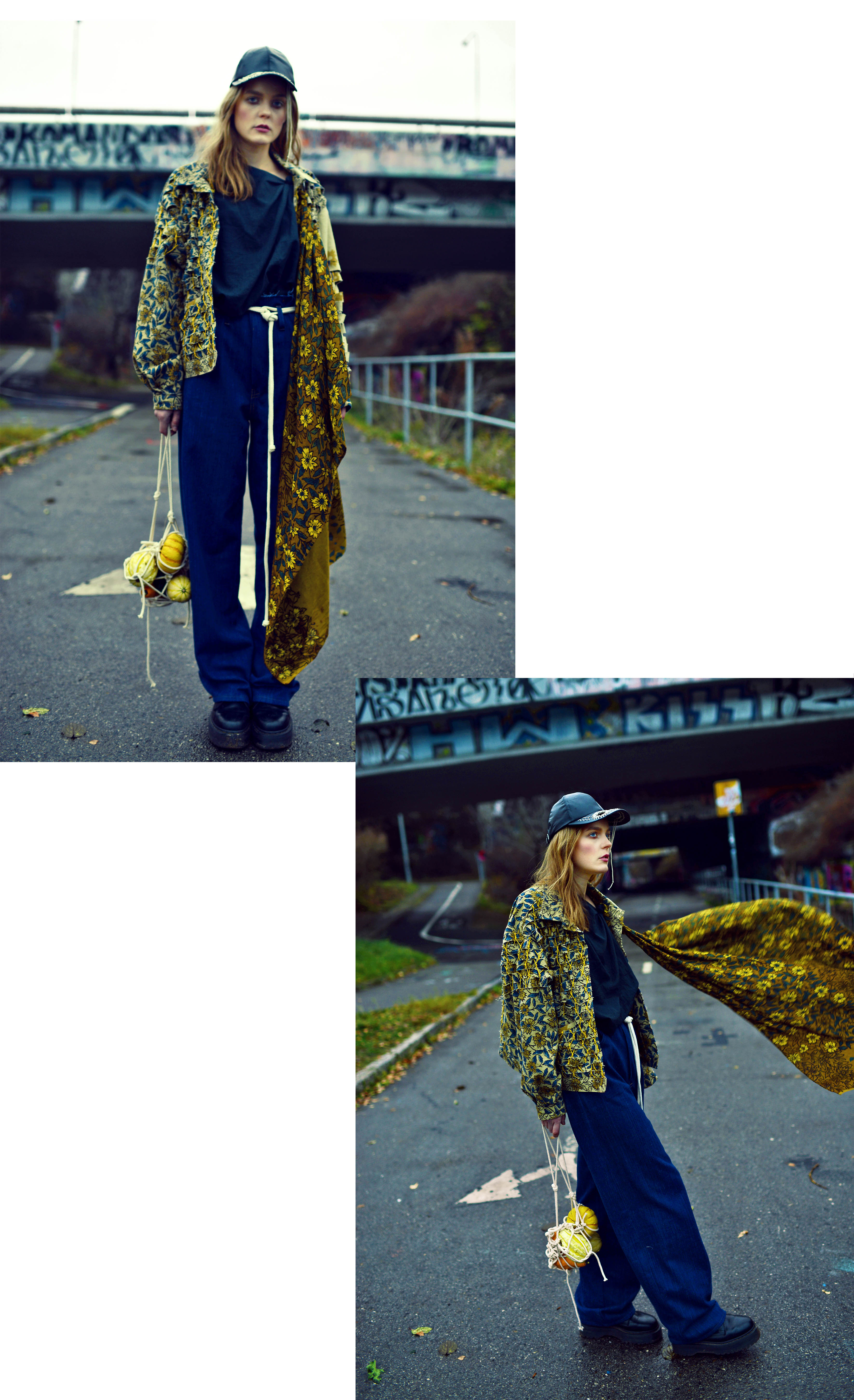

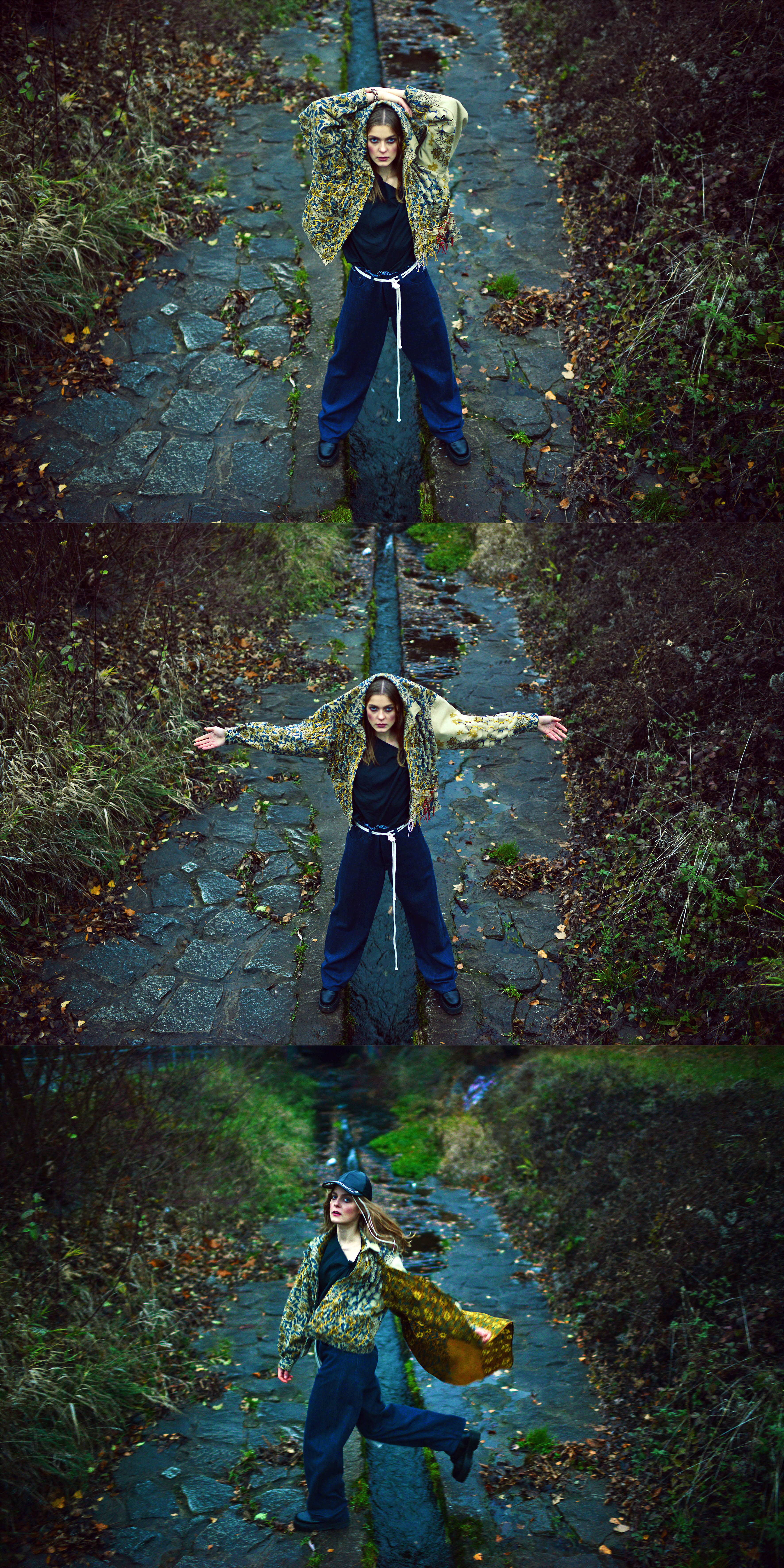
SHILP is about taking the precious materials, which already came a long way to even start with, and telling the world a relatable story with them, showing their modern quality and making the bridge between the beauty of traditional handcraft and today’s fashion culture. Showing the world the treasures of the parts of the world that aren’t easily accessible, and showing the craftsmen the outreach their materials have the potential of. And through connecting these, promoting a strong sustainable system that we can all support.
 Petra Sorejsova